Geology and regions
A guide to Swedish stone
From the west-coast granites to the island limestones of the Baltic: ten regions, seven rock types, one range.
The bedrock
The Fennoscandian Shield
Most of Sweden rests on the Fennoscandian Shield, crystalline bedrock between one and two billion years old. It gives the country its granites, gneisses and quartzites: hard, dense silicate rocks that weather very slowly.
On top of the shield, in a few places, younger sedimentary rocks survive. They were laid down in warm seas around 400 to 500 million years ago and are the source of the limestones of Jämtland, Östergötland, Gotland and Öland. Metamorphism of carbonate rocks produced the marbles of Närke.
Grey and red granite
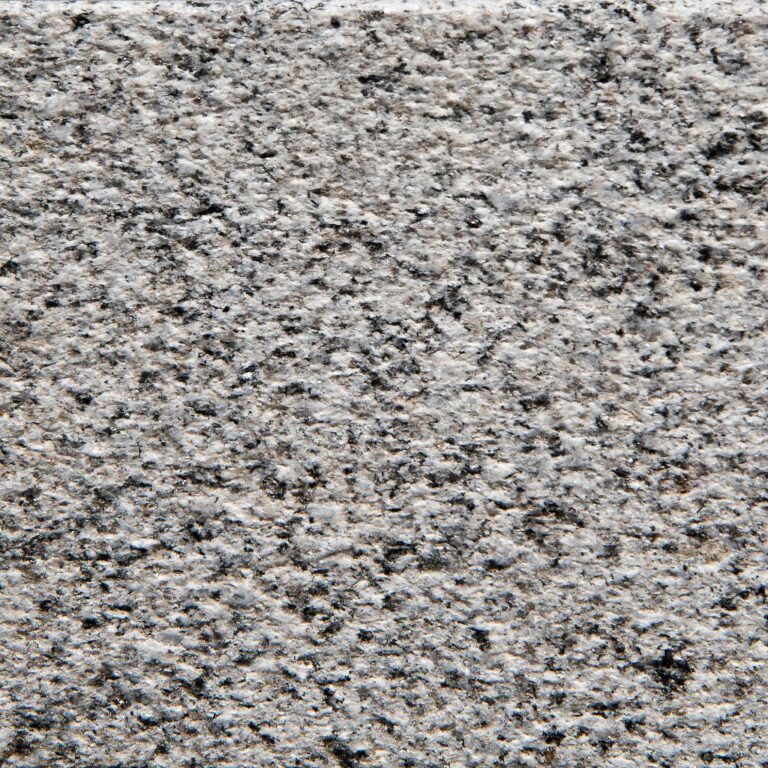
Bohuslän on the west coast is Sweden's best-known granite country. Quarrying here has run at industrial scale for close to two centuries, and Bohus granite was shipped to harbours and cities across Europe.
Quartzite and sandstone
Dalarna in central Sweden is an old stone province, home to the quartzite of Älvdalen in the north and to sandstone quarried around Orsa since the sixteenth century.
Red and grey granites
Skåne, Sweden's southernmost province, supplies red and grey granites. Its quarries sit close to the southern ports, a short crossing from northern Germany and Denmark.
Red granite, black diabase
Småland is the land of red granites and black diabase, with many quarries working since the early 1900s.
Red gneiss
Halland on the west coast supplies gneiss with a lively, moving pattern, valued in Sweden for squares, walls and waterfronts.
White and green marble
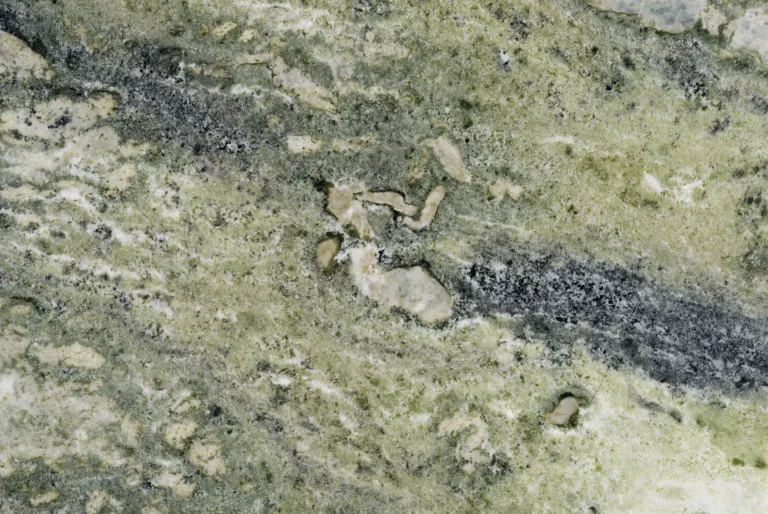
Närke holds two of Sweden's best-known marbles: the light dolomitic marble of Ekeberg near Glanshammar and the green marble of Brännlyckan.
Dense limestone, four colours
In Jämtland, around Brunflo near Östersund, an unusually dense limestone is quarried in grey, grey-brown, red and black.
Limestone from Lake Vättern
On the eastern shore of Lake Vättern, at Borghamn and Omberg, limestone has been quarried since the Middle Ages. It lies in the region's churches and in Nationalmuseum in Stockholm.
Island limestone
Gotland is an island of limestone, laid down more than 400 million years ago in a warm sea, with fossils and bedding lines often visible in the stone.
Family-quarried limestone
On Öland a small family-run stoneworks quarries and finishes the island's limestone; the variation from slab to slab is typical of Öland stone.
Beyond granite
Fossils, flames and green marble
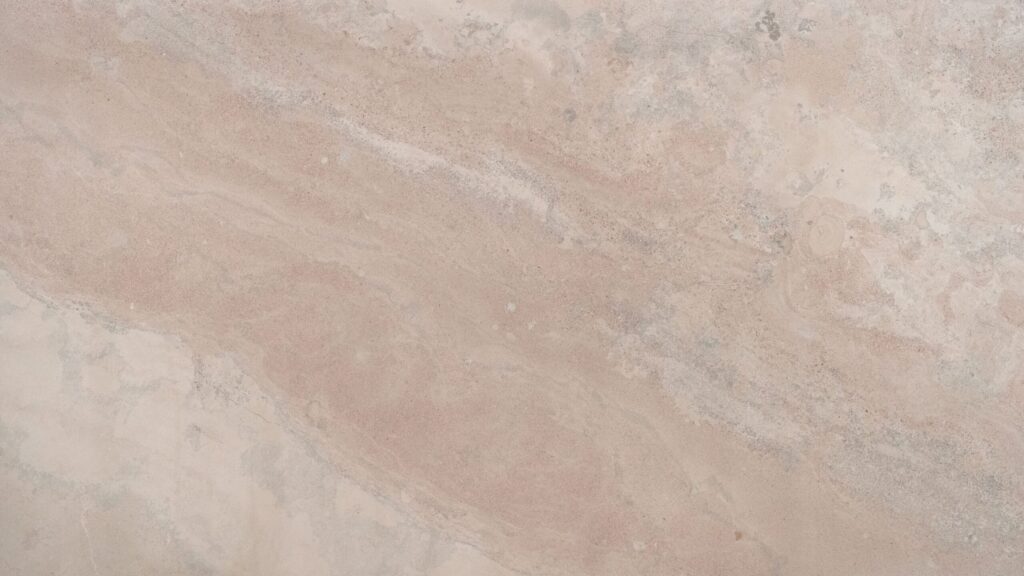
Gotland Bro carries 430-million-year-old fossils; Omberg limestone is shot through with flames; Brännlyckan is a deep green serpentine marble. Sweden has far more to offer than grey granite.
See all stonesQuestions
Why specify Swedish stone?
Swedish hard rocks are old, dense and even. Many varieties combine low water absorption with high strength, which suits frost, de-icing salt and heavy wear.
Is granite the only Swedish stone?
No. Sweden also produces quartzite, gneiss, diabase, dolomitic and serpentine marble, several limestones and sandstone.
How sustainable is Swedish natural stone?
Natural stone is not fired, lasts for centuries and can be reused. Environmental data for individual stones is available on request.
Samples and quotes
Find the right stone
We help you choose and send samples.