Bohuslän, west Sweden
Bohus granite
Two centuries of quarrying on the Swedish west coast, four varieties, and a stone that has paved harbours from Gothenburg to Buenos Aires.
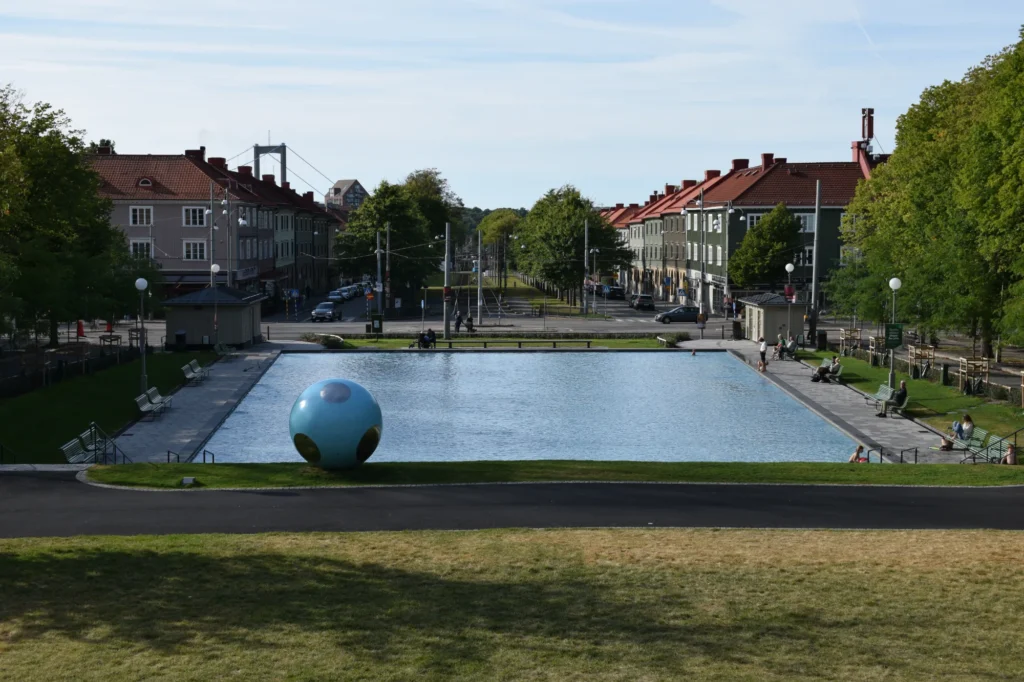
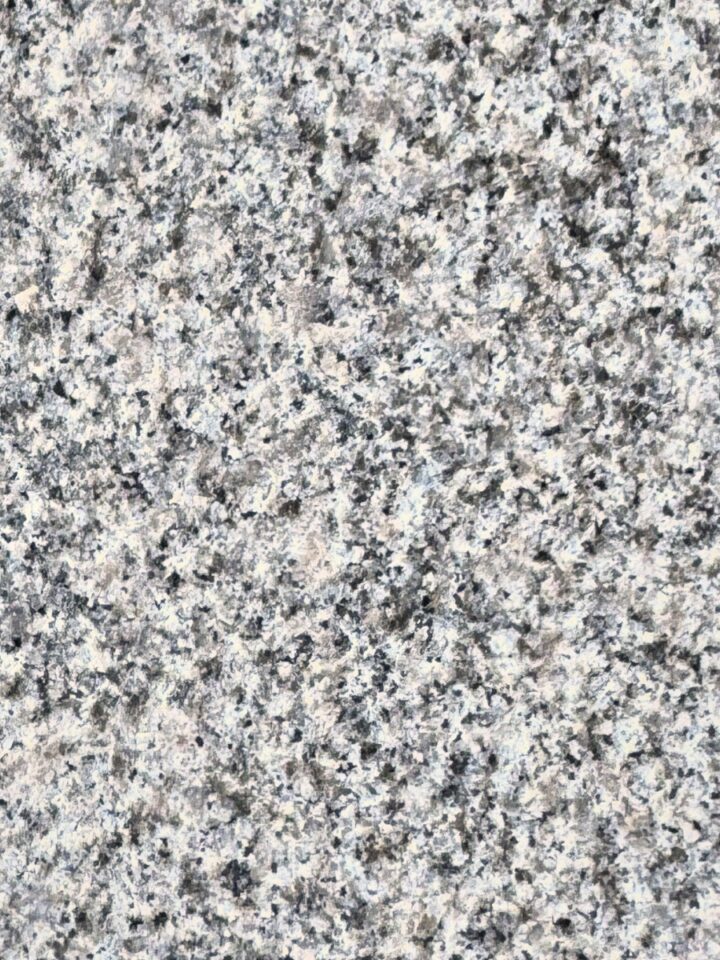 Bohus Grey Tossene
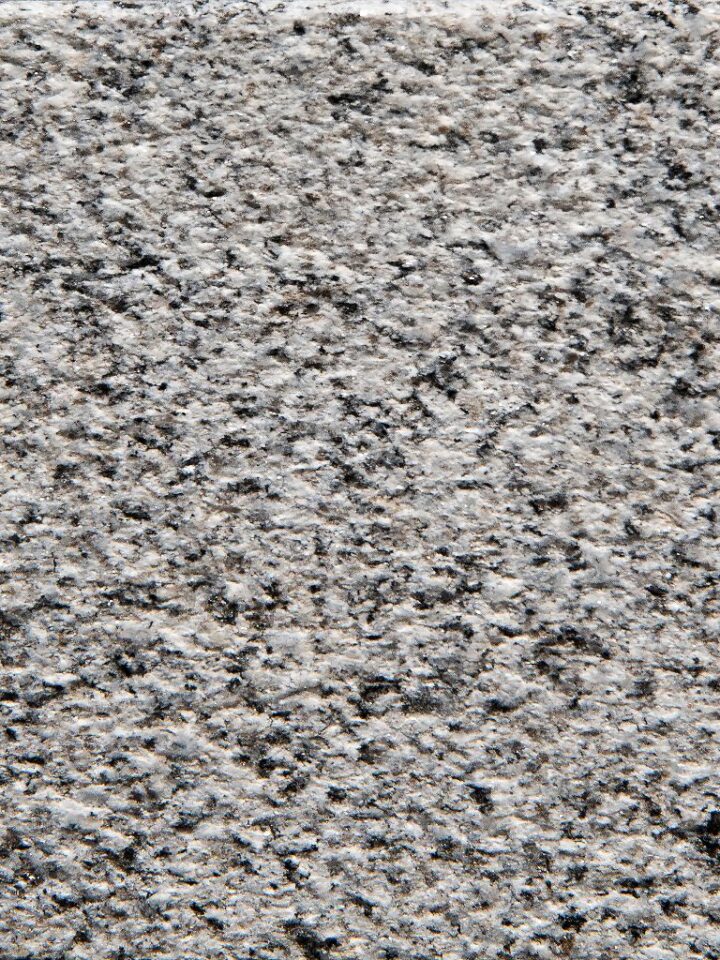 Bohus Grey Silver
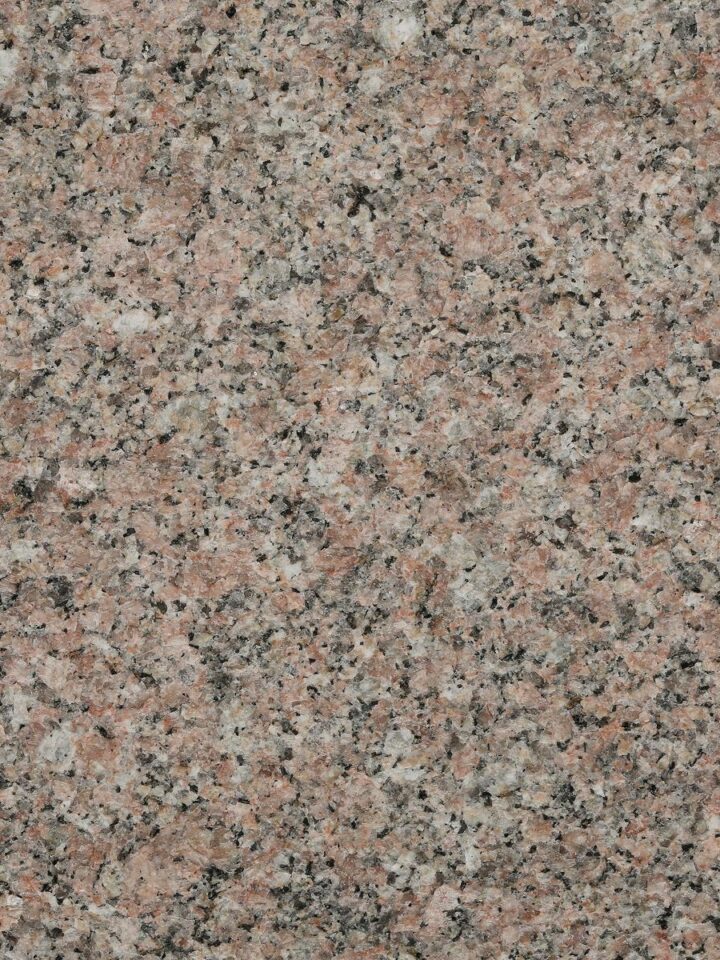 Bohus Red Skarstad
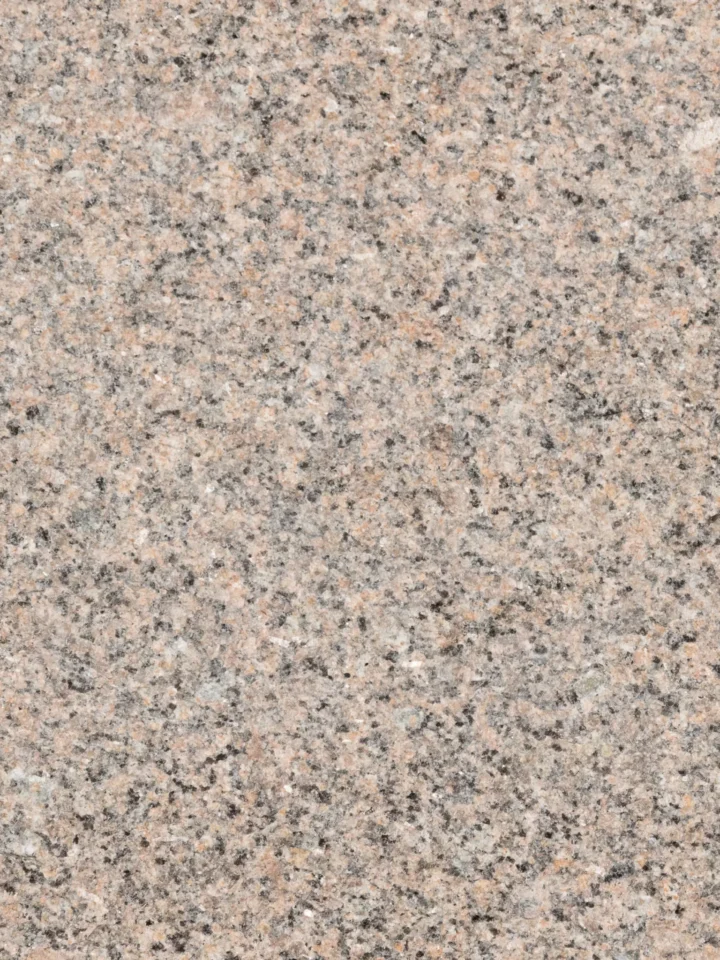 Bohus Red Broberg
Choosing
Which Bohus for which project
Bohus Grey Tossene
The reference grey: lively black, beige, green and pink grains on a calm ground. The safe choice for large squares, quays and streetscapes, and one of the granites we ship most.
Bohus Grey Silver
Lighter, finer and cooler than Tossene, with a grey-blue tone. Its even grain and clean split make it the Bohus granite for crisp modern facades and precise detailing.
Bohus Red Skarstad
Warm and balanced. Often laid with grey Bohus to draw bands and fields into paving.
Bohus Red Broberg
Reddish with black and grey tones, close in colour to Skarstad but with a particularly calm, even texture. Robust when flamed or bush-hammered for steps and paving.
A stone with a past
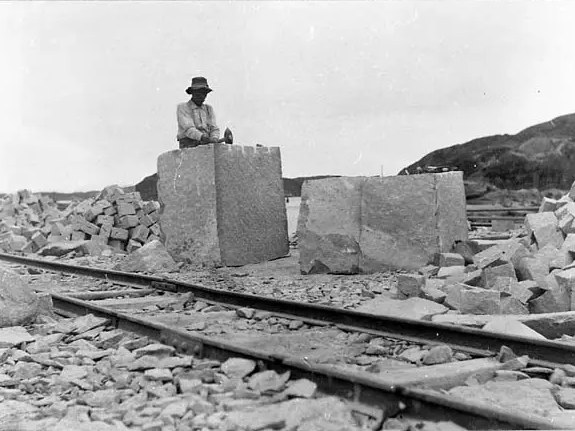
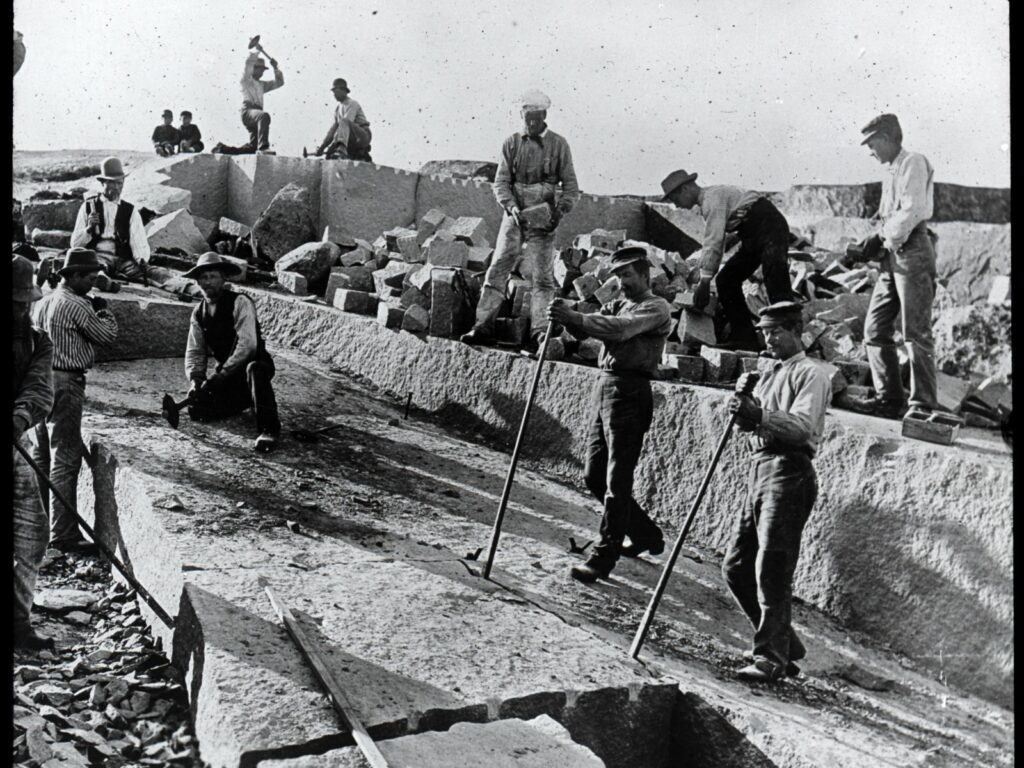
Bohuslän has been Sweden's stone country for almost two hundred years, and one of its key places was the island of Bohus-Malmön. In 1842 a merchant from Uddevalla and the canal builder Nils Ericson were granted the right to quarry there; the first granite went to the locks of the Trollhätte Canal. For the next 135 years granite was quarried and dressed on the island.
Malmön granite became quays, locks, bridges, steps and monuments in Gothenburg and across Sweden, and was exported to Germany, the Netherlands, England, Argentina and Cuba. A polishing works on the island turned out columns and plinths, among them John Ericsson's mausoleum in Filipstad and the granite columns of the Riksbank in Stockholm.
For a long time everything was done by hand. Blocks were freed with wedges, crowbars and sledgehammers and hauled by rail to the harbour; electricity and compressed air only arrived in the early 1900s. The island's stone industry closed in 1977 to 1978, but the quarries, engine shed and compressor hall still stand. Zurface's founder Eric Waxin has his roots on Malmön. The Bohus granite we supply today comes from working quarries elsewhere in Bohuslän, and all four varieties have an environmental product declaration (EPD).
Formats
From setts to cladding
Large and small setts, kerbs, paving slabs, block steps, walling, bollards and facade panels. Special profiles and sizes are made to drawing.
Finishes: split, bush-hammered, flamed, blasted, brushed, sawn, honed and polished.
Test data
The four Bohus granites compared
| Stone | Flexural MPa | After frost MPa | Compressive MPa | Water % | SRV wet |
|---|---|---|---|---|---|
| Bohus Grey Tossene | 14.1 (LFV) | 16.4 | 224 (LFV) | 0.12 | honed 44 |
| Bohus Grey Silver | 15.3 (LFV) | 14.7 | 229.5 (LFV) | 0.3 | sawn 38 |
| Bohus Red Skarstad | 13.1 (LFV) | 16 | 167 (LFV) | 0.13 | honed 42 |
| Bohus Red Broberg | 16.8 (LFV) | 16.2 | 91 (LFV) | 0.12 | honed 18 |
LFV: lower expected value. See technical data for the full range.
Questions about Bohus granite
What is Bohus granite?
Bohus granite is quarried in Bohuslän on Sweden's west coast. It is among the youngest granites in Sweden, fine to medium grained, and comes in grey and red.
Which Bohus granites does Zurface supply?
Bohus Grey Tossene, Bohus Grey Silver, Bohus Red Skarstad and Bohus Red Broberg, each in a wide range of finishes.
Is Bohus granite suitable for paving and squares?
Yes, it is Sweden's classic paving stone. For trafficked areas we size thickness and format to the load class.
Can grey and red Bohus granite be combined?
Yes, and it is common in Sweden: red bands, fields or borders set into grey paving give a square its own pattern.
Samples and quotes
Sample Bohus granite
We send samples in the finishes you are considering.